
Frost-proof fruit trees
Among the more cold-hardy plants for this area are some citrus, mulberries, loquats and persimmons.
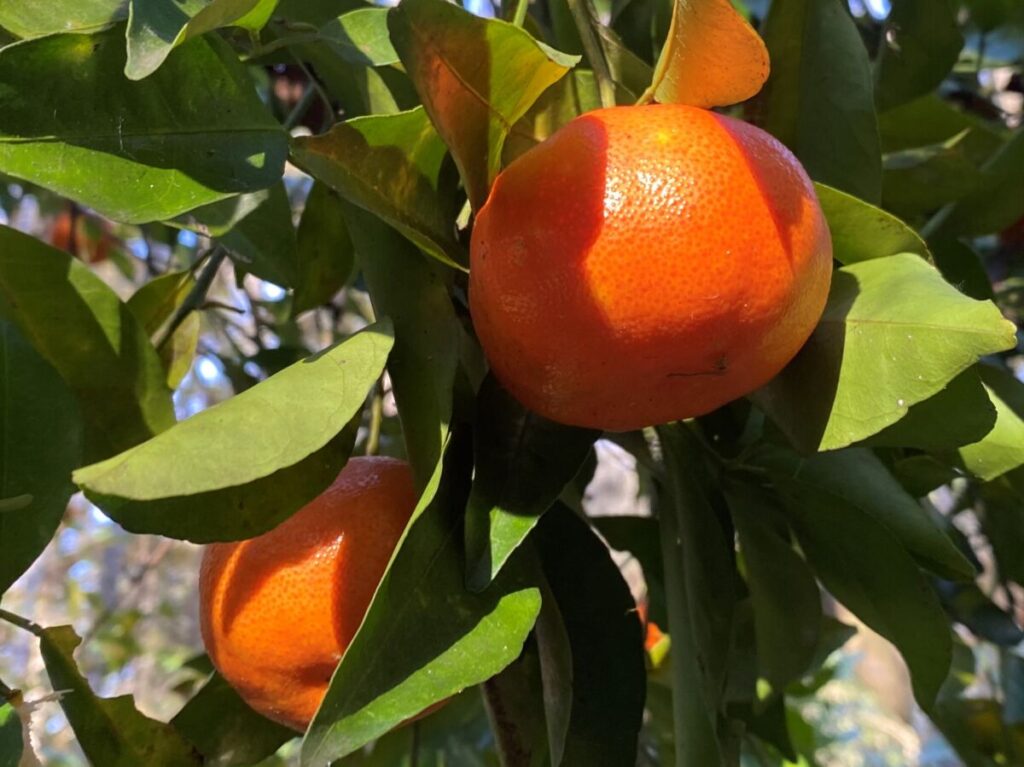
Mandarin orange.
The threat of freezing temperatures in North Central Florida presents a real risk to cold-sensitive plants. We have recently experienced significant freezing temperatures and many people have lost plants or have found them severely damaged. Post-freeze recovery can be costly both in time and money. New plants need to be purchased, dead plants removed and damaged plants pruned.
Fortunately, there is a way to prevent this from happening again in the future. Rather than plant the same cold-sensitive plants, consider the kinds of plants that are not only cold-tolerant, but in fact need the cold to be productive later in the year.
If you have plants that were damaged by the freezing temperatures but did not die, wait until the end of winter before removing the dead vegetation. The dead vegetation acts as an insulator, however unsightly it may be, and can reduce the severity of plant damage from subsequent freeze events this winter. If you are unsure about whether a plant is dead or alive or the extent of freeze damage a plant has experienced, do a “scratch test.” Use the edge of a knife or fingernail to scrape the tissue of a branch and if it’s bright green, the tissue is alive and the plant may recover.
If your prized mango or avocado tree is completely dead and you want to replace it with another fruit-bearing tree that’s not cold-sensitive, and there are many options available. When selecting a cold-hardy fruit tree, carefully consider the right plant for your specific location, soil type, sunlight, etc. Each plant will have particular needs, so it is essential to choose a fruit tree that’s naturally adapted to the conditions you are placing them in. In general, if a plant originates from the deep tropics, it is unlikely to be well-adapted to freezing temperatures.
The best time to plant cold-hardy trees is in the spring, when they can become established and grow in warm weather. Providing your trees with adequate water throughout spring, summer and fall cannot be overemphasized. Maintaining consistent soil moisture, though not excessive, will dramatically improve your trees’ growth.
The best cold-hardy fruit-bearing trees include loquats, mulberries, persimmons, rabbiteye blueberries, muscadine grapes and specific citrus varieties. Each of these plants is tolerant of cold down to at least 15°F.
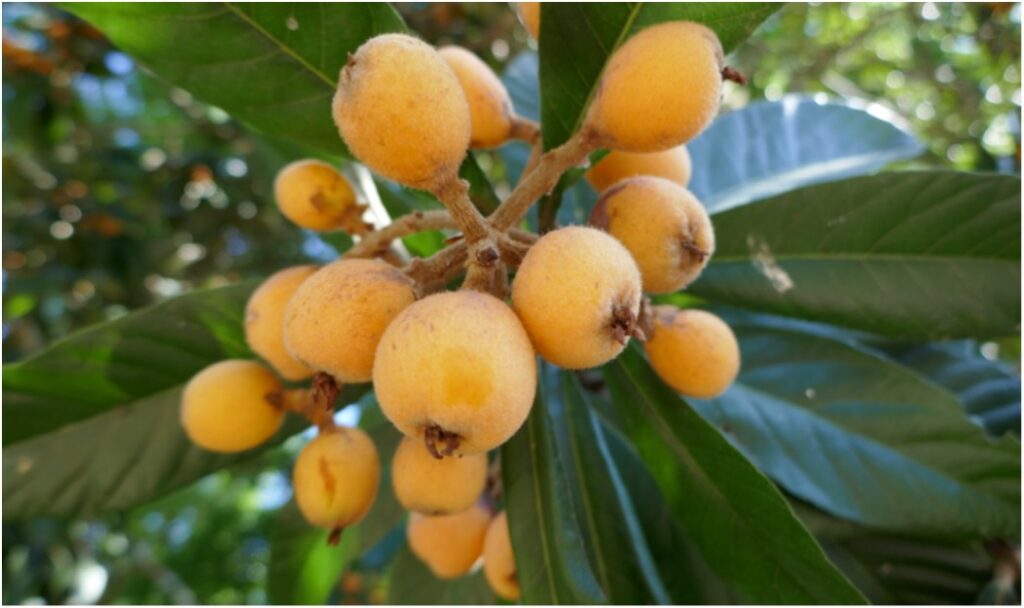
Loquats are extremely well adapted to North Central Florida. They are evergreen, medium-sized trees that produce pear-like fruit from late March into early April.
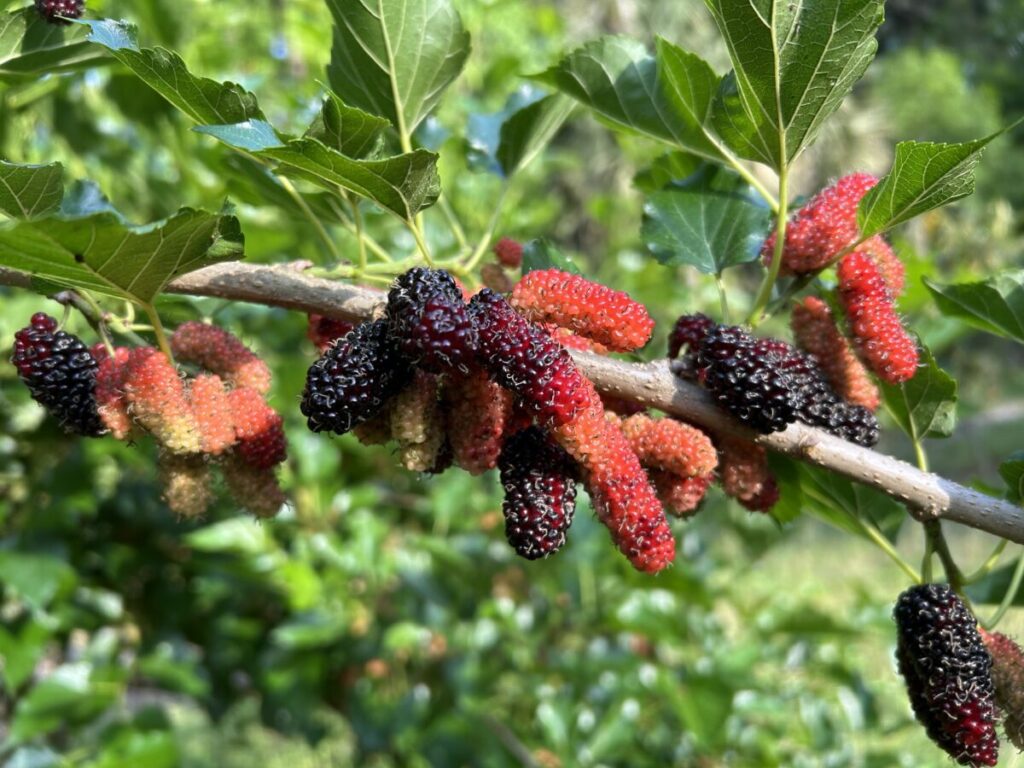
Mulberries include several different species, and they are one of the fastest growing trees you can plant. They are deciduous and produce fruit from late March through early summer, depending on species or variety.
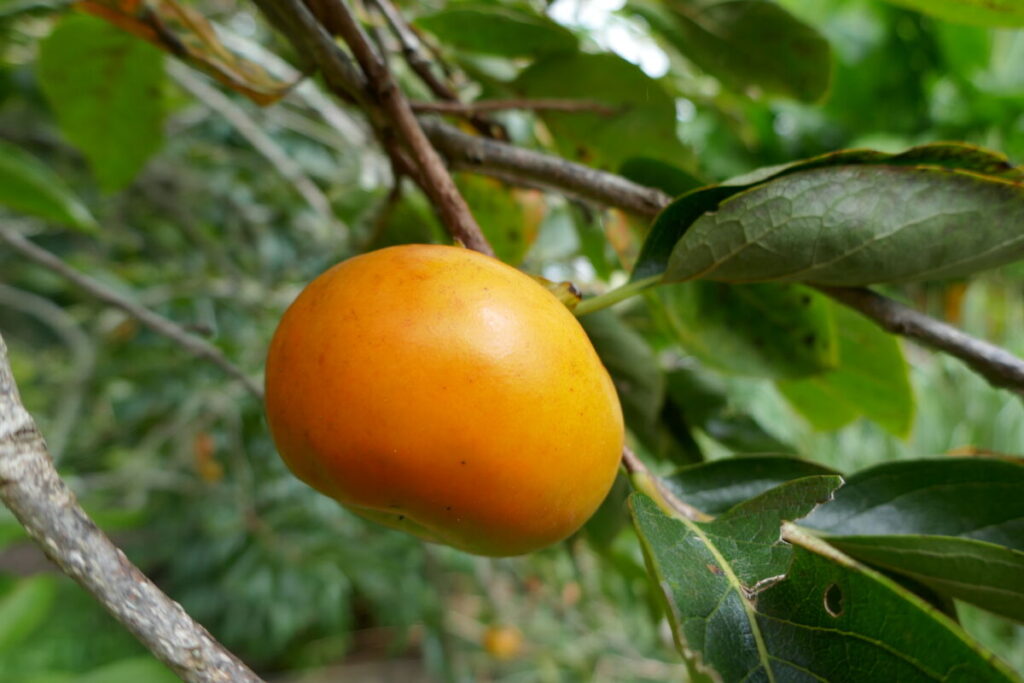
Persimmons are more productive when they experience cold winters, so this tree is especially cold-tolerant. They are medium-sized trees that produce bright orange fruit from late September through November.
Rabbiteye blueberries are native to Florida and the Southeast and produce flowers and fruit much later than the far less cold-hardy southern highbush blueberries. Rabbiteye blueberries grow best in very acidic soil, such as pine bark mulch, and benefit from very cold temperatures. They need to be planted with at least two different varieties within the same species to produce a good crop.
Muscadine grapes are a Florida-native grape vine that can produce an abundance of fruit. The grape variety you choose to plant will need to be either self-compatible or planted next to compatible varieties to ensure high-quality pollination. Muscadine grapes come into season from August through September.
The most cold-hardy citrus varieties include Satsuma mandarins, kumquats, calamondins and Sugar Belle. Coincidently, most of these varieties are also very tolerant to citrus greening disease. Citrus grown in slight shade will further increase their tolerance to citrus greening disease. Most mandarin varieties produce ripe fruit from November through January.
After the cold winter gives way to warm spring weather, take an assessment of your plants and carefully consider what you plant next.
For gardening questions or inquiries about upcoming classes, feel free to reach out to the UF/IFAS Marion County Extension office at (352) 671-8400 or email [email protected]

Support community journalism
The first goal of the Ocala Gazette is to deliver trustworthy local journalism so corruption, misinformation and abuse are not hidden from the public or unchallenged.