
Drought does not translate into plants dying
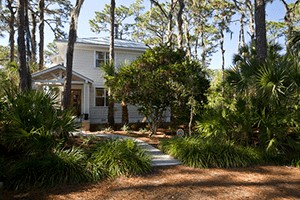
Pine needles can be used for mulching. [Photo courtesy UF/IFAS]
What did the ancients know about gardening that we do not? A lot.
When drought hits, your plants are not necessarily doomed. Use methods the ancient people did and watch your garden bloom while others see their garden fade. If you have a green thumb, you know weather patterns change. Droughts come and go. The good news is that you do not have to start your garden over if you take these few steps to prevent dry soil.
Mulching
Covering your plant bases with mulch keeps the ground moister. Mother Nature provides Floridians with an assortment of mulch, free for the taking. Grass cuttings, fallen leaves and pine needles are readily available in yards throughout Florida. Do a bit of research before you decide which mulch format meets your plants’ needs. Some plants prefer quick biodegradable types, such as leaves, which provide nutrition for the root systems as they decompose. Strawberries, blueberries and peppers enjoy snacking on the high acid content of pine needles. Research is the key. Otherwise, you spend a great deal of effort and lose your garden. A word of caution. Spanish moss off the ground may contain chiggers; use the fresh moss hanging on the trees.
Tiers
Another gardening secret from the Aztecs, who were successful gardeners that provided food for a massive population in an area without rivers for watering their gardens. How did they do it, you ask? They made tiered garden beds with shallow stone walls. During the day, the stones warmed up. At night, as the stones remained warm for several hours and when the cool night air rushed over them, condensation formed. The droplets of condensation trickled down into the soil and gently watered their planted seed. Water runs downhill. The sloping tiers drained downward from one garden bed to the next. Those plants requiring heavy moisture got planted toward the bottom tier.
Chinampas
During hot weather, watering a garden’s soil surface loses approximately 50% of the water sprayed due to evaporation. The Aztecs dug deep burrows between their raised garden beds to trap moisture. This mode of water frugality was called a chinampa by the Aztecs. Modern gardeners add watering pipes into raised beds, to make a modern chinampa. Begin with a water repellant base material, which will delay the water from escaping as runoff. Top that with a layer of stones followed by topsoil. Drive a tube of PVC piping deep into the soil, as far as the water repellant cloth. After the seeds sprout, the roots will reach down toward the pooled water and improve their chance for surviving the drought season.
Fog harvesting
Fog harvesting is the gathering of water in the air to provide it for the plants growing in the garden. A vital skill for the modern gardener. This can be accomplished by hanging a shade cloth, polypropylene mesh or netting across the garden like a badminton net. At night, if there is 30% humidity or more, condensate gets trapped within the tiny spaces of the woven material. When the material reaches a saturation threshold, it releases and drips into your garden. According to the Columbia Climate School of Columbia University, a 12’ by 30’ net can yield between 100-180 liters daily. Currently, Africa and Arizona employ these methods effectively. Spider silk is the most hydrophilic substance known to mankind. It is being studied in order to design improved fog mesh cloths. That looks promising for our garden futures.
Arid does not necessarily mean barren. Try some of these methods to keep your garden green.

Support community journalism
The first goal of the Ocala Gazette is to deliver trustworthy local journalism so corruption, misinformation and abuse are not hidden from the public or unchallenged.