
STATE NEWS BRIEFS
AIDS drug program cuts, no budget conference yet, 'guardian' expansion approved
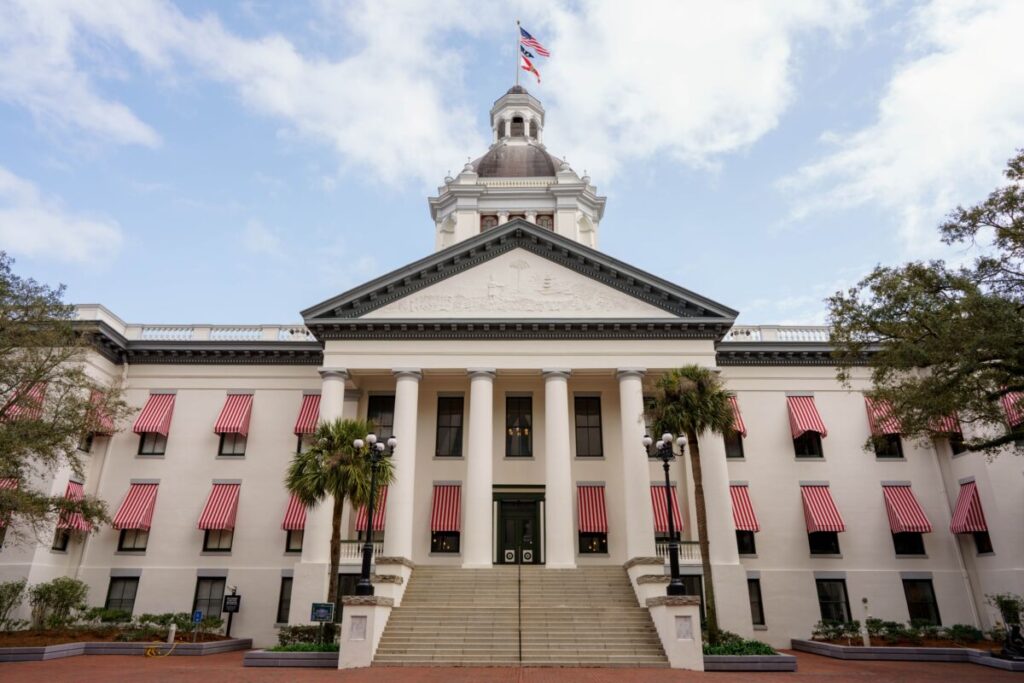
[Shutterstock]
The Florida Department of Health issued emergency rules on Feb. 25 that will block thousands of Floridians from accessing their HIV medication.
Starting March 1, the state will cut its subsidies for the AIDS Drug Assistance Program (ADAP) and funds will only be available for people at or below 130% of the federal poverty level, a drop from 400%.
The emergency rules also limit the insurance coverage of Biktarvy, a once-a-day pill that is used by 60% of the 30,000 Floridians enrolled in ADAP.
Current federal guidelines calculate 400% of the poverty level at $62,600 a year and 130% of the poverty level making $20,345. HIV advocates say about 16,000 Floridians will be affected.
The emergency rule comes a day before a hearing was planned between DOH and the AIDS Healthcare Foundation, which filed a lawsuit in January arguing the department illegally changed the rules for eligibility.
“The Department spent two months cutting people off without following the law. When we took them to court, they filed an emergency rule at midnight to dodge accountability,” said Esteban Wood, AHF director of advocacy and legislative affairs.
In January, Florida Surgeon General Joseph Ladapo said the drop in coverage was because of a shortfall of $120 million in federal money, but HIV advocates say that isn’t the case.
The emergency rules last for 90 days and can be renewed.
The Florida House of Representatives and Senate have earmarked money in their respective budgets to cover the gap, but advocates say this would still leave Floridians without coverage for months,
“The only emergency here is the one that the Department of Health is creating through their own actions,” said Senate Democratic Leader Lori Berman at a press conference at the capitol on Wednesday. “The actions of Surgeon General Ladapo and the Department of Health are shameful.”
House budget chief: No ‘conference this weekend’
House Budget Committee Chairman Lawrence McClure advised the chamber late Wednesday that budget conference talks with the Senate will not take place this weekend.
“It looks like we are not going to conference this weekend. I intend to go home. And I’ll see you next week,” McClure, R-Dover, told the chamber.
The comment comes with a little more than two weeks remaining in the scheduled regular session.
Lawmakers are slated to end the 60-day session on March 13 and with a targeted deadline of March 10 to finish a spending plan. That deadline involves a law requiring a 72-hour “cooling off” period before lawmakers can vote on the completed budget.
Senate Appropriations Committee Chairman Ed Hooper, R-Trinity, made similar comments at the start of the Senate floor session on Thursday.
House Votes For Expansion Of ‘School Guardians’
A proposal to expand Florida’s “school guardian” program to colleges and universities received support from the Republican-controlled House on Feb. 25.
The bill (HB 757) passed on an 83-25 vote and now heads to the Senate.
The measure builds on changes made in the public school system after the 2018 mass shooting at Parkland’s Marjory Stoneman Douglas High School. The bill gained traction this year as lawmakers recalled a shooting during the 2025 legislative session in which a student killed two people and wounded five others at Florida State University.
“We were all here that day a year ago, either in our committee rooms or in our offices,” said bill sponsor Rep. Michelle Salzman, R-Pensacola. “We all saw the news. We all got the alerts. It was a scary time.”
Under the proposal, each school would have to establish an “active assailant response plan” and the president of each college or university could designate employees and faculty who would be trained and able to receive a concealed-weapons license to carry guns on campus.
In voting against the measure, Jacksonville Democratic Rep. Angie Nixon questioned the amount of training individuals would receive.
“I have seen what folks that are part ICE have done with training, or lack thereof,” Nixon said.
The bill also promotes the use by post-secondary schools of the mobile suspicious activity reporting tool, FortifyFL, and calls for student psychological evaluations to be transferred when the individual moves from high school to a state college or university.
Rep. Christine Hunschofsky, a Democrat who was the mayor of Parkland at the time of the shooting, expressed concern that state colleges don’t have the level of funding for law enforcement as found at the state universities.
“Our universities are able to stand up a police force. They can afford to do that,” Hunschofsky said. “Thank goodness FSU had that police force a year ago. They did a wonderful job responding and the University did a fantastic job in the aftermath. But our colleges don’t have that same funding.”

Support community journalism
The first goal of the Ocala Gazette is to deliver trustworthy local journalism so corruption, misinformation and abuse are not hidden from the public or unchallenged.