
Seasonal change in watering restrictions
Cutting back irrigation this time of year helps conserve the groundwater that supplies homes and keeps springs healthy.
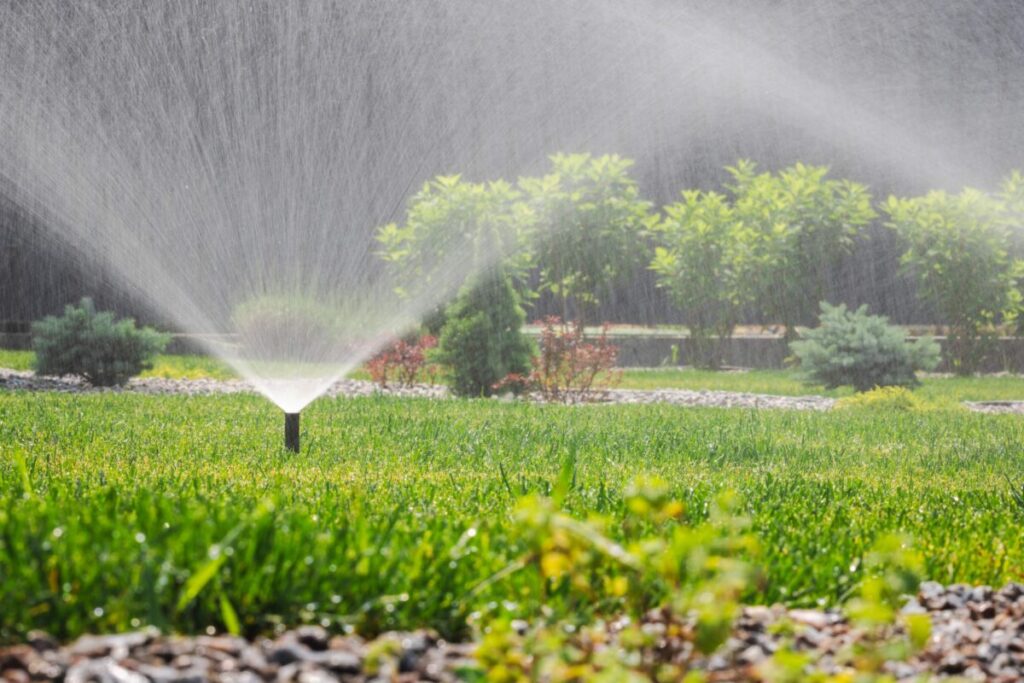
[Stock image]
With daylight saving time ending on Nov. 2, the St. Johns River Water Management District is reminding residents and businesses across the Upper Ocklawaha River and Middle St. Johns River basins, including Alachua, Marion, Lake, Seminole, Orange and Volusia counties, that watering restrictions change to once per week.
With cooler weather and shorter days, lawns and landscapes naturally require less water. Cutting back irrigation this time of year helps conserve the groundwater that supplies our homes and keeps our region’s springs healthy. These springs, from Silver Springs to Blue Spring and beyond, are a reminder of our direct connection to the aquifer below us, the same source that provides our drinking water and shapes the character of this part of Florida, the news release noted.
“Every time we skip an unnecessary watering cycle, we’re helping keep our springs flowing,” said St. Johns River Water Management District Water Conservation Coordinator Deirdre Irwin in the release. “Seasonal watering restrictions are a simple but powerful way for all of us to take care of our water resources.”
Public water supply is the district’s largest use, with residents and businesses using hundreds of millions of gallons of water each day. Outdoor irrigation accounts for much of that demand. Adjusting watering schedules with the seasons helps balance this use, supporting both healthy landscapes and a sustainable water supply.
Once-a-week watering schedule (through March 8, 2026):
- Homes with odd-numbered or no addresses: Saturday
- Homes with even-numbered addresses: Sunday
- Nonresidential properties: Tuesday
- Watering hours: Prohibited between 10 a.m. and 4 p.m. to reduce evaporation
- Watering time: Limited to one hour per zone
- Applies to: All water sources, including wells, surface water and utilities.
For many newcomers to Florida, it can be surprising to see lawns turn brown during the winter months. However, this seasonal change is normal. Most warm-weather grasses, such as St. Augustine and Bahia, go dormant when temperatures drop. Dormancy doesn’t mean the grass is dead; it’s simply resting until warmer weather returns. Overwatering during this period can waste water and lead to root rot, mold or other lawn health issues.
Conservation tips:
- Calibrate irrigation timers to match the current watering schedule
- Inspect sprinkler systems for leaks or misdirected spray
- Use a rain sensor or smart irrigation controller to automatically pause watering when it rains
- Consider replacing high-volume spray heads with more efficient rotary nozzles
Small changes in irrigation habits can make a big difference in protecting Florida’s water resources. By watering only when necessary, residents help preserve the region’s springs, rivers and aquifers — the sources that sustain our communities and natural environment.
To learn more, go to sjrwmd.com
.

Support community journalism
The first goal of the Ocala Gazette is to deliver trustworthy local journalism so corruption, misinformation and abuse are not hidden from the public or unchallenged.