OPINION: This summer, food banks are keeping an eye on the horizon
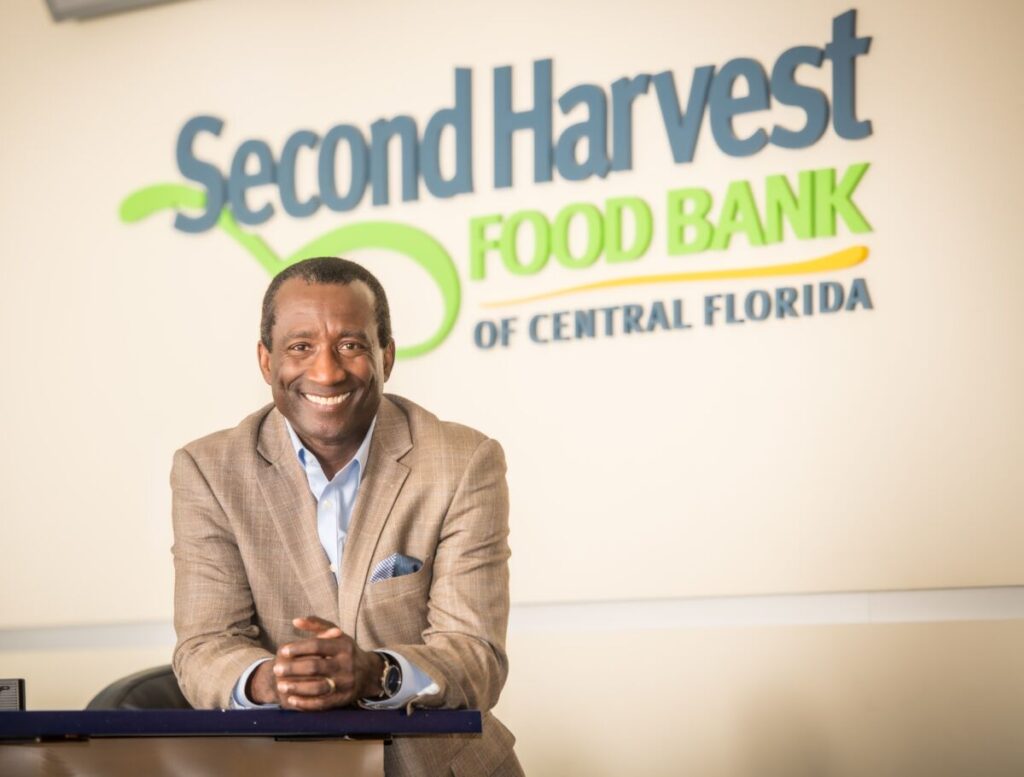
Derrick Chubbs, President and CEO at Second Harvest Food Bank of Central Florida. [Photo by Roberto Gonzalez]
Central Florida dodged a bullet last year. For the first time since 2015, no hurricanes made landfall in the United States all season, giving our state a welcome reprieve. But we can’t count on the same luck this year—even storms that never earn a name can bring dangerous conditions during Florida’s summer months. That’s why across the state, food banks like Second Harvest Food Bank of Central Florida are keeping an eye on the horizon.
When hurricanes strike, hunger does too. Power outages can cause food to spoil and road closures can prevent people from getting to the store safely. Families already struggling financially may find themselves in a difficult position, especially if they lose work or wages as a result of the storm. And, as after any natural disaster, insurance prices are likely to increase across the board, creating a burden that persists long after skies clear.
But storms aren’t the only danger we need to watch out for.
This summer, food banks have significantly less food available to distribute than in years past. Each meal also costs more to acquire and distribute: The same gas prices that are giving drivers sticker shock at the pump make it that much more costly to fuel the 24 Second Harvest trucks that hit the road every morning.
At the same time, prices in the grocery store are creeping higher. As the overseas conflict continues, farmers and manufacturers are paying more for diesel, aluminum, animal feed and fertilizer, and those inflated costs are passed down to the consumer. It’s a financial burden that families already at risk of food insecurity can’t afford—and it puts our community in a precarious position as we head into summer.
If we’re going to outlast the storms ahead, we need to be prepared. Yes, we’ll need to step up in times of crisis—but when skies are clear, we also need to leverage every resource at our disposal to continue distributing enough food for 300,000 meals a day to families, children, seniors and veterans facing hunger. And one of the resources that we can’t do without is the support of the Central Florida community.
Our neighbors have always come together to help each other when it matters most and that generosity has helped us weather more than a few storms in the past. Without the same safety net of food and funding we’ve had in the past, we’re counting on the community more than ever to help us bridge the gap.
As you go through your hurricane-prep checklist this year, ask yourself if you can pitch in to help someone else through a difficult season, too. Maybe it’s as simple as volunteering with your kids during summer vacation or maybe you can spare a few dollars for a virtual food drive or a monthly pledge. No matter how small, every contribution makes a difference.
To learn more about Second Harvest’s mission, pursue volunteer opportunities or provide a meal for a family facing hunger, visit feedhopenow.org
With your help, we can make sure Central Florida is prepared—no matter what lies ahead.
Derrick Chubbs is president and CEO of Second Harvest Food Bank of Central Florida. As the region’s largest emergency food provider, Second Harvest secures and distributes enough food for 300,000 meals a day to more than 800 local nonprofit feeding partners across a seven-county service area, which includes Marion County. By also investing in job training programs and advocating for access to nutritious foods, SHFBCF is leaning into the root causes of hunger to help transform lives.

Support community journalism
The first goal of the Ocala Gazette is to deliver trustworthy local journalism so corruption, misinformation and abuse are not hidden from the public or unchallenged.