
On our radar
Marion County looks for new paratransit contract to serve vulnerable population.
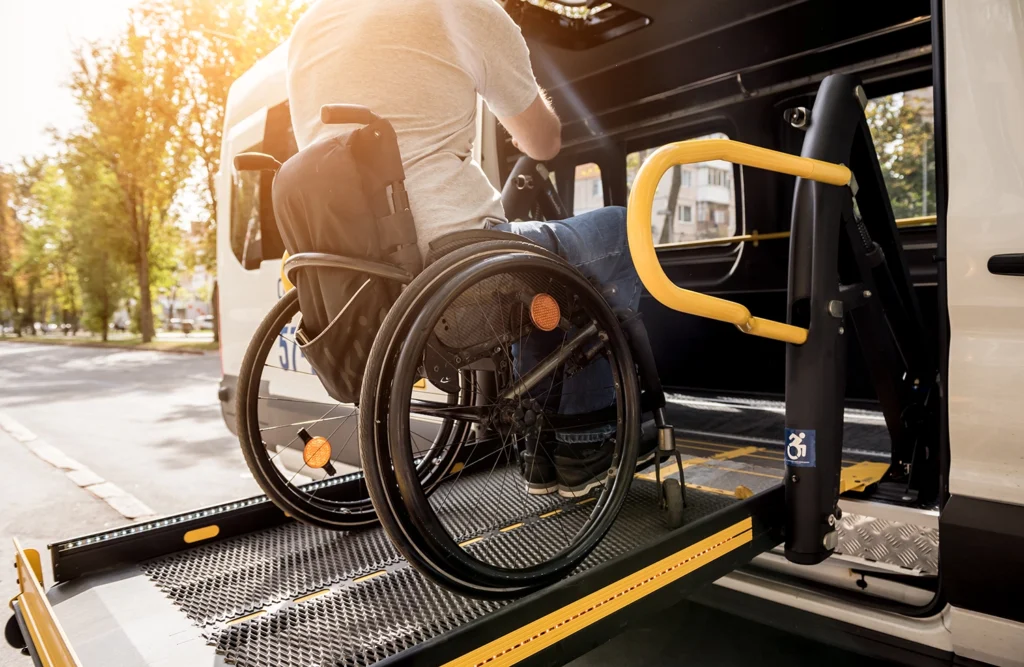
Marion Senior Services (MSS), the nonprofit vendor operating Marion Transit, is actively working to transition its paratransit contract to another entity by the end of the year.
On June 15, the organization issued a public notice announcing it was “proactively engaging with city and county leadership to evaluate the long-term sustainability” of the county’s specialized transportation services. MSS has managed this contract as the county’s designated Community Transportation Coordinator since 1982.
During a recent budget workshop with the Board of County Commissioners, MSS Executive Director Jennifer Martinez shed light on exactly why the agency needs to step away from providing the service.
Because Marion Transit serves passengers with significant medical and mobility needs, the organization carries more liability exposure than most transit services. Under Florida law, governmental entities are shielded from catastrophic financial ruin in lawsuits through “sovereign immunity,” but as a private nonprofit state contractor, MSS does not share this legal protection.
Earlier this year, advocates lobbied the Florida Legislature to pass a bill that would have extended sovereign immunity to contractors providing these essential paratransit services, but the legislation ultimately failed. Without this protection, a single severe traffic accident—even one caused by another driver—could bankrupt the nonprofit.
Martinez explained that shifting the contract to a protected government entity with sovereign immunity is the only way to shield the agency’s other critical programs, such as Meals on Wheels and in-home senior support.
Commissioner Kathy Bryant said “litigious” attitudes created the problem.
Despite the impending contract shift, Martinez firmly assured the commissioners that MSS will not leave vulnerable residents high and dry while a new solution is negotiated.
“With the funding that we have, we are operating as is. Nothing is changing. We’ve made that very clear to the folks that we serve,” Martinez told the board. “You know, we don’t want to cause any more chaos or have them in fear of losing their lifeline of transit. That is not happening.”
While a transition is necessary, she noted that the timeline is flexible to ensure continuity.
“I want to make sure that we transition in the proper way,” she stated, noting that stepping away is a hard decision but necessary to “protect the other services that we provide.”
The urgency to find a sustainable government partner is underscored by the massive local reliance on the service. In 2025, Marion Transit transported over 89,000 individuals across the county’s 1,600 square miles. According to the “2025-2030 Transportation Disadvantaged Service Plan,” Marion County’s “Critical Need” population—those unable to transport themselves due to severe physical disabilities or extremely limited income—is estimated at 68,407 in 2025. This includes 18,422 disabled residents and 903 severely disabled individuals.
The 2025 plan explicitly warns that “with Marion County’s senior population steadily increasing, the pressure on paratransit services continues to grow.” Both the elderly and nonelderly disabled rely on this door-to-door transit to access medical care, employment, and social engagement. This includes providing crucial transportation for disabled individuals traveling back and forth to day programs like the Transitions Life Center, which offers services specifically to post-graduate adults with special needs in the region.
Moving forward, the Ocala Marion Transportation Planning Organization (TPO) will be required to formally recommend a new provider or operational structure to the state. On its website it indicates that the TPO is “a federally mandated and locally governed agency responsible for planning, prioritizing and coordinating transportation projects, including highway, transit, rail, bicycle, pedestrian, aviation and paratransit.”
City of Ocala Councilman Jim Hilty, who sits as the chairman of the TPO, told the “Ocala Gazette” this issue would be discussed during the Aug. 25 TPO public meeting.
_________________side bar__________________
“Transportation Disadvantaged” population for the year 2025:
- Forecasted Low-Income Seniors (Elderly & Low-Income): The plan projected a total of 15,805 low-income seniors in 2025. This includes 10,982 who are elderly, low-income, and non-disabled, plus 4,823 who are elderly, low-income, and disabled.
- Forecasted Disabled Population: The plan projects a total of 69,755 disabled individuals in 2025. This includes:
- 33,336 elderly/disabled (not low-income)
- 24,914 non-elderly/disabled (not low-income)
- 6,682 non-elderly/disabled/low-income
- 4,823 elderly/disabled/low-income
Additionally, for the most vulnerable population in 2025, the plan anticipates there will be 18,422 “Critical Need” disabled individuals—those who are severely disabled and entirely dependent on others or specialized services to travel to essential activities
Source: TPO Disadvantaged 2025 plan

Support community journalism
The first goal of the Ocala Gazette is to deliver trustworthy local journalism so corruption, misinformation and abuse are not hidden from the public or unchallenged.