
Fruit in Florida all year long
With careful planning, you can enjoy a variety of delicious edibles in every season.
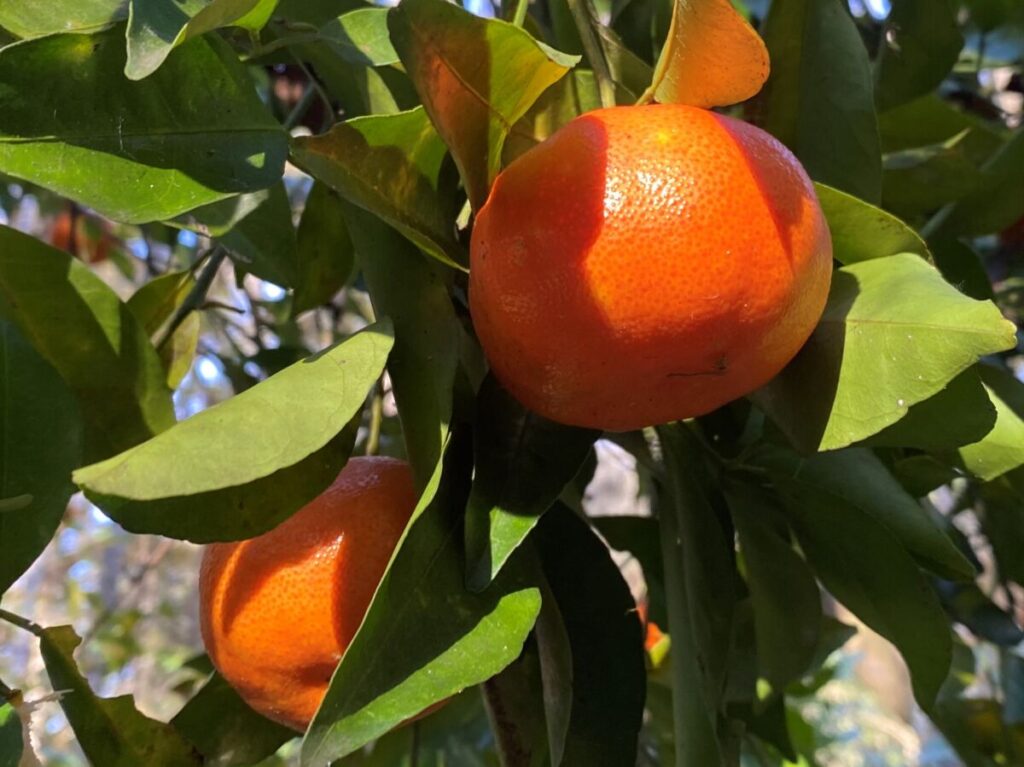
Mandarin fruit
Florida is one of the few places in America where fruit can be in season year-round. The challenge is knowing which plants and varieties to choose and how to care for them. Thanks to hot summers and cool winters, North Central Florida’s climate allows for a wide range of fruit-bearing plants to be grown. With careful planning, ripe fruit could be waiting for you throughout the year.
When selecting a fruit-bearing plant, take some time to learn about each plant’s particular needs. Match the plant to a place that it is naturally well-adapted to. Consider your soil characteristics, drainage and available sunlight throughout the year. Once plants are selected and planted, they will need time to become established. The best way to do this is to provide the plants with regular water.
Blueberries
Fruit-bearing plants can be divided into two distinct categories The first is plants that benefit from cool winters. These plants include blueberries, peaches, plums and persimmons. The second category is semi-tropical and tropical plants, the latter typically being cold-sensitive. These plants include a great number of species, but the most common in Florida are loquats, mulberries, muscadine grapes, passion fruit and citrus.
From late fall through spring, many varieties of citrus come into season. Citrus grows best in a partly shaded environment during the summer and benefits from direct sunlight in the fall. Many mandarin varieties, such as Sugar Belle, bingo, tango and Sun Dragon, are good options for cooler winters experienced in North Central Florida. Select several citrus varieties with a wide range of harvest dates to maximize when fruit is available.
Beginning in early spring, southern highbush blueberries come into season. They contain many varieties, with a range of harvest times. Some will be ready for harvest as early as March, while the majority come into season from April to May. Rabbiteye blueberries, another species, have a much later growing season than southern highbush. Expect rabbiteye blueberries to come into season from May through late June. Peaches and plums contain many varieties that come into season mainly from April through May. Two reliable fruit producers for spring are loquats and mulberries. Loquats are robust evergreen trees distantly related to pears and apples. Most loquats will reach peak season throughout April. Mulberries are rapidly growing trees that typically produce fruit in April through May or beyond, depending upon the variety.
Peaches
Summer fruit crops include passion fruit and muscadine grapes. Passion fruit is a rapidly growing vine that commonly produces fruit from June through August. Muscadine grapes are tough native plants that grow well in Florida’s harsh summer weather. They contain a wide range of varieties that allow you to select desirable fruit characteristics. Most muscadine grapes come into season from late July through September.
Persimmons are a good option for fall fruit production. Japanese persimmons produce high-quality fruit compared to the native persimmon. Japanese persimmons benefit from cool winters and have early, middle and late season varieties. Fresh persimmons could be available from September through December if multiple varieties are planted. Their fruit remains on the tree even after it loses its leaves in late fall. Non-astringent varieties, such as Fuyu and Matsumoto, are good options for those unfamiliar with eating persimmons.
Take the time to carefully plan where your future fruit trees should be planted and select only the best varieties. If you would like to know more about the many varieties available and growing tips, visit the University of Florida’s “Ask IFAS” website. In time, your fruit plants will reward you with fresh fruit year-round.
For gardening questions or inquiries about upcoming classes, feel free to reach out to the UF/IFAS Marion County Extension office at (352) 671-8400 or email [email protected]
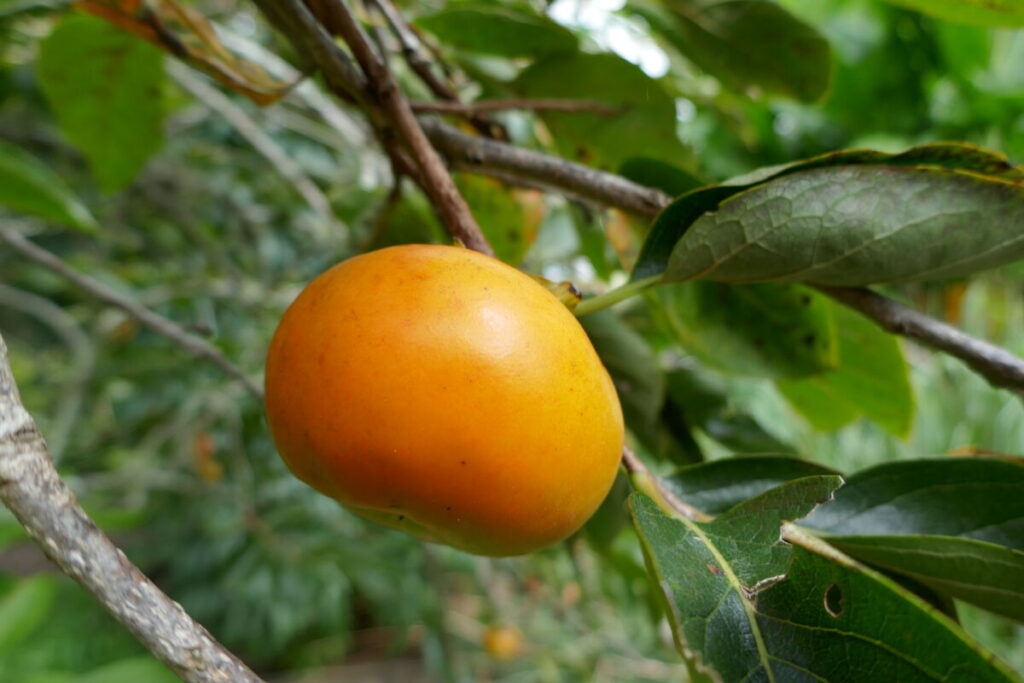
Persimmon

Support community journalism
The first goal of the Ocala Gazette is to deliver trustworthy local journalism so corruption, misinformation and abuse are not hidden from the public or unchallenged.