
Changing of the seasons
Tips for preparing your flower garden now for fall favorites and making spring gardening easier next year.
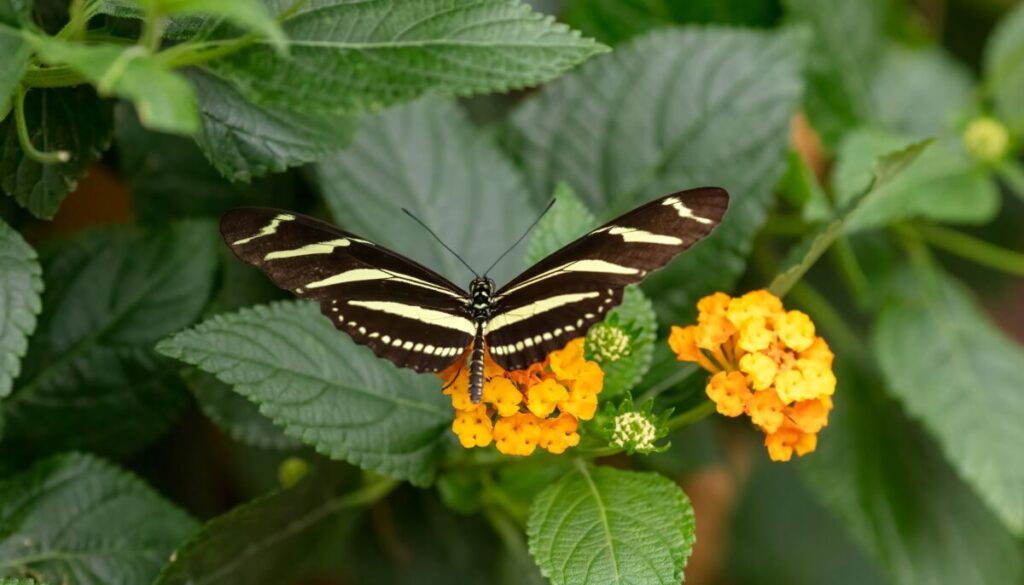
In order to have a beautiful flower garden in the spring, there are things that need to be done in the fall. [Stock image]
As summer comes to an end and the weather is cooling down, it is time to get out and prepare our gardens for fall’s extended growing season. There are a few things you can do now to give your gardens a boost and make them ready to transition into fall. A little time spent now will give you more time next spring for planting a successful summer season of colorful blooms.
Let us take a long look around our gardens before we make any decisions. Let’s check the condition of the plants to see if they are surviving where they are or if they will need to be relocated. Look for any pest infestation or disease. Check for plants that have outgrown their space and need to be divided, transplanted or pruned.
WEEDING/THINNING
During the summer we all tried to do a thorough weeding, but those pesky weeds are still there using up valuable water and nutrients and choking out roots. Weeds also bring unwanted pests to the garden and can cause it to become congested and bring fungus and bacteria. I would advise to pull out the weeds and add a good layer of compost or natural mulch—the natural color, not the red, brown or black varieties.
Remove any spring and summer annual plans that have run their course to make room for fall flowering annuals. Check them to make sure that they don’t have any diseases or pests before adding them to your compost pile. We should dig up any bulbs we have planted that need to be winterized indoors or need to be divided. Now is a good time to divide any bulbs that will be staying in the ground over the winter so that they can get acclimated for winter.
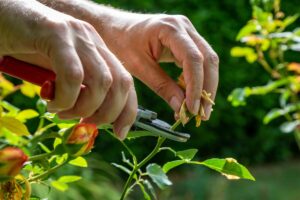
Deadheading your plants can be an important fall gardening activity. [Stock image]
Deadheading is something that we should have been doing all summer long, but if you didn’t, now is a good time to get it done. Deadheading can encourage plants to produce more flowers and prolong the blooming time of the summer bloomers. It not only makes the garden look nicer, but it helps the plants redirect their energy to new growth. Deadheading can be done by using your fingers to pinch off the tender stems and clean hand shears to cut the woody stems.
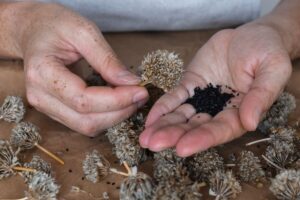
By collecting seeds from your garden now, you can save money on buying new ones next spring. [Stock image]
COLLECTING SEEDS
Seed collecting can save money on your buying seeds next spring. Many flowers have dried pods that can be collected in late summer. This is a good time to collect those that have dried in the stems. Check on the varieties, then label and store them for spring planting.
TENDING THE SOIL
Once you have removed all the summer annuals it is time to tend to tend to our soil. We should be adding organic fertilizers like compost or manure. By adding organic materials to the soil at the end of the summer they have all winter to break down, enriching the soil for spring planting. Work the material into the soil well after removing all the old debris. With the space remaining after removing the old summer bloomers you can plant new fall blooming annuals to prolong color in your gardens. Pansies and snap dragons are two of many fall bloomers.
CHECKING PERENNIALS
Now let’s give our perennials some attention. Check them for any diseases, decay, damage or insect infestation. Tidy them up by removing damaged branches, foliage and treating them for pests and diseases. Try not to prune too much as this will form new growth that is susceptible to freezing temperatures. If you have perennials in containers that have gotten too big for them or want to move some to the ground, now is the time to do so. This will let them get established before winter sets in.
MULCHING
Now that we have our garden all cleaned up, transplanted and planted, let’s protect them with a healthy layer of mulch. This will help keep the weeds from growing now that we have just gotten rid of them. In areas where there are deciduous trees, leafy mulch is particularly beneficial. The mulch will help hold the moisture in the soil so it does not evaporate as quickly.
COMPOSTING
Now let’s tend to our compost pile. Since we have added to it or taken away from it to amend our soil, it is a good time to put a little effort into the old compost. Give your compost pile a good turning over to mix all the new plant materials into the old. This also helps to aerate it. Make sure that you add some moisture to the pile as the summer heat has dried it out.
WATERING
Finally, your garden needs thorough watering. This will settle everything back into place and help establish new roots. After disturbing the ground from the summer, it is important to give it all a good watering as the soil loses water quickly at this time of year.
Summer has turned into fall and now you will be able to get out and enjoy your garden again. This little tending will mean a much healthier and prettier garden to spend time in and will make your spring gardening easier next year.
To learn more about the Pioneer Garden Club, go to pioneergardenclub.org and find it on Facebook.

Support community journalism
The first goal of the Ocala Gazette is to deliver trustworthy local journalism so corruption, misinformation and abuse are not hidden from the public or unchallenged.