
Family of deceased inmate say his death ‘could’ve been prevented’ with prompt medical care
For nearly two hours, Michael Watkins lay doubled-over in agony on the floor of his Marion County Jail cell, begging for help from his jailers, according to witnesses and family members.
“The inmates told us that they all started beating on the bars and screaming for their jailers,” said Watkins’ sister Elisabeth Feltz. “When they finally came, they said, ‘Are you going to let this man lay here and die before you take him out?’”
Watkins, 37, eventually was taken to AdventHealth Ocala Hospital, where he died on Jan. 31, 2021, after undergoing emergency surgery for an obstructed bowel.
Jail staff told Watkins’ family that they weren’t aware of him having any medical issues until the day he was rushed to the hospital. But Watkins’ family strongly disputes that account.
“I myself had called and told them, so I know they knew (about his medical issues),” Feltz said.
Watkins’ death is one of 31 known fatalities that have occurred since 2021 at the Marion County Jail, leading to greater scrutiny about the level of care provided to inmates by the Marion County Sheriff’s Office, which oversees the facility.
In recent months, a whistleblower has come forward, alleging that she was wrongfully terminated from her post at the jail. Mary Coy, a certified jail auditor, worked at the jail from February 2018 until August 2024, when she claims she was wrongfully terminated from the Marion County Sheriff’s Office for bringing forward concerns about the quality of care provided by Heart of Florida Health Center, the agency contracted for all inmate medical care.
Watkins was weeks away from finishing a seven-month sentence for driving without a license. He started to experience excruciating pain in his abdomen, which he recognized as urgent because of his medical history, according to his family.
Feltz and Watkins’ oldest sister, Pattie Stephens, say they believe his death could have been avoided had he been hospitalized sooner.
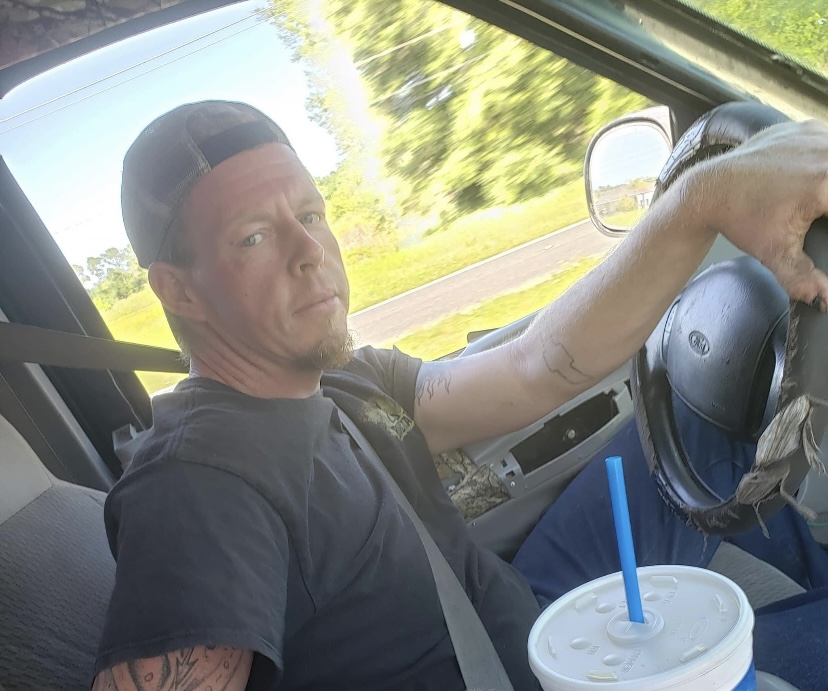
Michael Watkins [Supplied]
Watkins’ fellow inmates told his family members that the man had been begging for medical intervention for days. At the worst of it, Watkins is said to have been begging for help and banging against the bars of his cell, said Stephens.
Watkins’ bunkmate in the jail, Jackie Pate, told investigators that Watkins hadn’t been feeling well for “several days” and “had been sleeping much more than usual.”
In a report, Sgt. K. Thompson was called to Watkins’ cell on Saturday and described Watkins as “doubled over” with his stomach “obviously distended.”
Watkins was placed on a stretcher and sent to the infirmary, where a nurse ordered that he be transported to the hospital. After emergency surgery, he was brought to the ICU. By 8:50 a.m. the next morning, he suffered internal bleeding and cardiac arrest. Hospital staff pronounced him deceased at 9:10 a.m.
The Medical Examiner’s Office determined his cause of death to be from ischemic necrosis of the intestines, which causes sepsis, shock and organ failure.
An obstructed bowel cutting off the blood supply to the intestines has a death rate of nearly 100% if left untreated. If treated promptly, within 24 to 48 hours, the death rate is reduced to only 10%, according to the National Institutes of Health.
Watkins’ sisters’ inquiries into the lack of medical care provided are evident even in MCSO’s documentation of Watkins’ death, from the time family were notified of his hospitalization and death.
“(Feltz) began asking me why the decedent had not been treated regarding his medical complaints sooner. I told Ms. Feltz that I had not been aware of him having medical complaints prior to Saturday (Jan. 30) evening,” according to the incident report.
The “Gazette” obtained all incident reports regarding or referencing Watkins from the MCSO. The only incident report filed during Watkins’ sentence in the jail was for his medical episode and death in custody.
The “Gazette” previously requested the inmate files for Watkins and several others who died in custody, but MCSO said it could not provide these records as the agency has a policy to destroy inmate records after a year of release. This policy has no caveat for the retention of records for a longer period of time in the event of an inmate’s death in custody.
Watkins was adopted into his family at a young age, with Stephens describing herself as a “second mother” to him. The family’s suffering continued long after his death, as MCSO released his body to the custody of his biological mother, rather than to Stephens or Feltz, who was listed as his next of kin.
The family fought his biological mother and the funeral home in court for three months to gain custody of Watkins’ body. By the time they were able to gain custody of his body, they were unable to say goodbye due to the state of his remains.
Since her brother’s death, Stephens has adopted her nephew—Watkins’ 13-year-old son, Michael Jr.

Support community journalism
The first goal of the Ocala Gazette is to deliver trustworthy local journalism so corruption, misinformation and abuse are not hidden from the public or unchallenged.