
Marion County nonprofit acquires island
Forest Animal Rescue, based in Silver Springs, has purchased a 60-acre island in the St. Martins Marsh Aquatic Preserve in Crystal River.
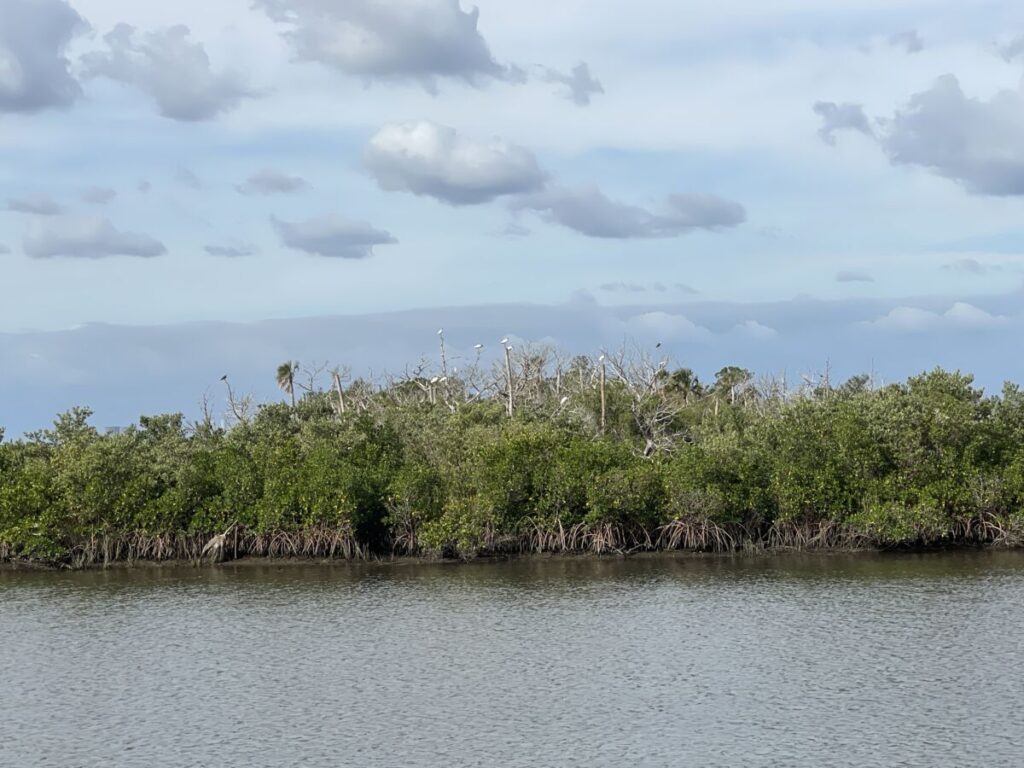
Forest Animal Rescue has purchased this island in the St. Martins Marsh Aquatic Preserve in Crystal River, which is home to many water birds. [Submitted photo]
Forest Animal Rescue in Silver Springs provides for the safe release of native wildlife on protected land it owns. They also rehabilitate and release black bear cubs for authorities in Florida and surrounding states.
In addition to the nonprofit’s campus in Marion County, founders Lisa and Kurt Stoner recently purchased a 60-acre island in the St. Martins Marsh Aquatic Preserve in Crystal River, which provides shelter and nesting areas to a large number of water birds.
FAR was able to acquire the island through “the late Maria Molnar, who was a beloved supporter of the sanctuary for 15 years,” Lisa Stoner said.
“We have observed virtually every bird native to this habitat taking advantage of the trees and freshwater pond on this island, including eagles, osprey, spoonbills and even flamingos,” Stoner noted.
“We will be protecting and restoring the habitat by removing any invasive plants, such as Braziian pepper, and helping to ensure that the wildlife remains undisturbed on the island. This will also be a perfect place for us to release rehabilitated wildlife native to this habitat as needed, since that requires privately owned land,” she added.
FAR, which was founded in 1998, at one time provided care for rescued wildlife such as tigers but does not currently do so.
“We wound down our program for the lifetime care of exotic animals because the demand for that program has dropped significantly, thanks to improved captive wildlife laws. The remaining lifetime care animals we had were placed in good hands at accredited sanctuaries we work with. This allowed us to expand our native wildlife and habitat protection program. The need for this program has increased exponentially over the past few years,” Stoner explained.
When asked how they learned about the island in the aquatic preserve, she said they spend a lot of time in the area and noticed it had a large number of water birds using it on a regular basis.
“And then we regularly witnessed airboats cutting through and scaring the birds. Most of the land in this protected estuary is owned by the Department of Environmental Protection, but when we called them to report it, they pointed out that it wasn’t their property. We contacted the owner, and he was not in a position to do anything to stop the disturbance of the wildlife but he liked the fact that we wanted to protect it. After discussions for over a year, Forest Animal Rescue managed to purchase it,” Stoner shared.
“We have not released wildlife there yet, but as soon as we are able to block off the source of disturbance, we have plans to do so,” she added. “We partner with wildlife rehabilitators across the state of Florida to release native rehabilitated animals that can’t go back where they came from onto our protected land, since it is not permitted for them to release onto government/public land. This will increase the diversity of wildlife habitat we have to offer for the animals that need it.”
The FAR website and social media pages offer for tips for how people can make their property more beneficial to the wildlife that lives around them as well as community updates, funding needs and volunteer opportunities for habitat restoration and “adopt a highway” cleanups.
To learn more, go to forestanimalrescue.org
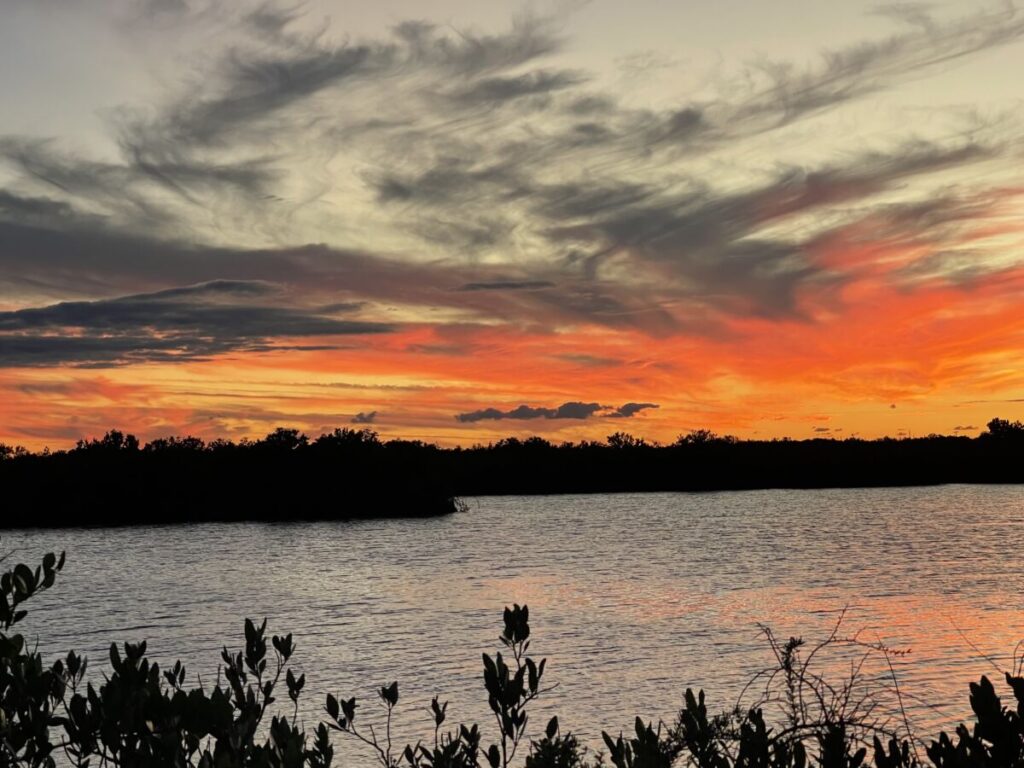
The sun sets behind the 60-acre island, which will be used by Forest Animal Rescue for the release of rehabilitated wildlife native to this habitat as needed. [Submitted photo]

Support community journalism
The first goal of the Ocala Gazette is to deliver trustworthy local journalism so corruption, misinformation and abuse are not hidden from the public or unchallenged.