6 important questions for voters in November
From abortion and recreational marijuana to partisan school board races and the right to hunt and fish, this year’s amendments could impact Floridians’ lives in numerous ways.
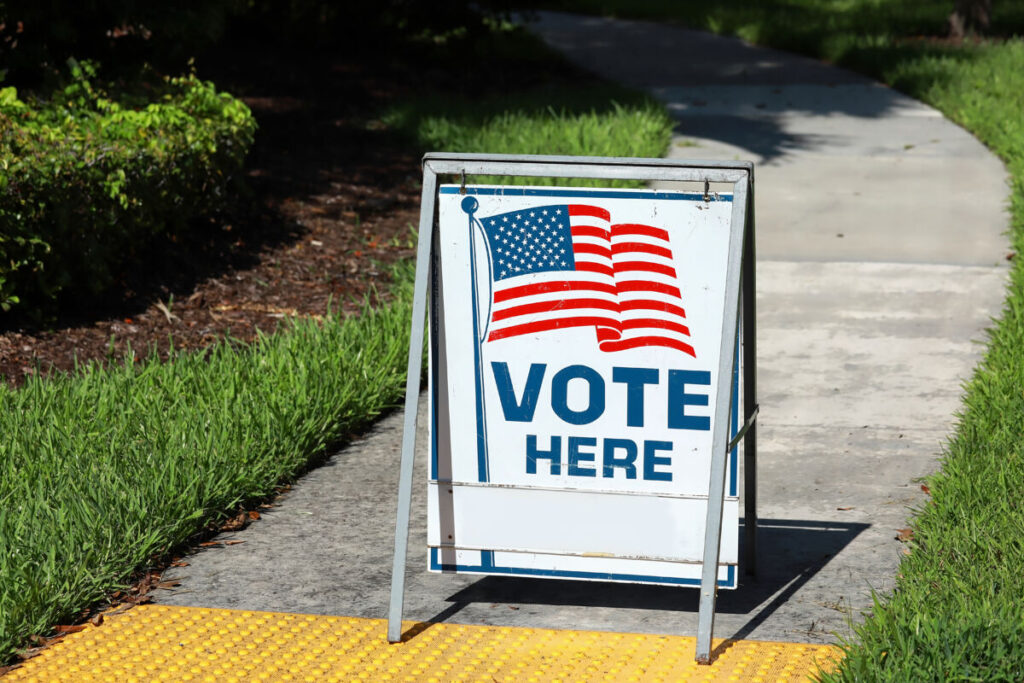
Florida voters will be asked a series of questions on the Nov. 5 ballot ranging from hot-button issues such as abortion rights and whether to allow recreational marijuana use to lesser-known matters like whether the right to hunt and fish should be enshrined in the state Constitution.
Much of the public’s attention this election season has focused on Amendments 3 and 4, dealing with the state’s six-week restriction on abortions and the proposal to expand the current access to medical marijuana to allow adults to possess pot for personal use.
There are other significant matters to be decided, however. Many voters find themselves looking at their ballots in the voting booth or at their kitchen tables and reading amendment questions for the first time, often with little to no details to help them make an informed decision.
The following is a brief analysis of each of the six amendments on the general election ballot, including some of the arguments in favor and in opposition.
Amendment 1: Partisan election of members of district school boards
This amendment would make school board races partisan elections. The rule would kick in on or after the November 2026 general election, but primary elections to pick candidates for the 2026 general election would also be partisan.
In favor: This would give voters more information about the political leanings and ideologies of school board candidates. Since it would be naïve to think political parties don’t already influence local races, this would create more transparency. Making races partisan could attract more voters and candidates to school board elections. Nonpartisan candidates could run under the no party affiliation (NPA) tag.
Against: Florida had partisan elections for many years before voters decided in a 1998 amendment that education should not be a partisan issue and party platforms should have no place in determining curriculum. Injecting partisan politics into school board meetings will make them more contentious, taking valuable time and focus away from what should be the core concerns: improving schools and educational opportunities.
Amendment 2: Right to Hunt and Fish
The amendment would preserve fishing and hunting, including the use of traditional methods, as a public right and make it the preferred way to manage fish and wildlife. The amendment would not limit the authority of the state Fish and Wildlife Conservation Commission.
In favor: While some states are trying to limit fishing and hunting, Florida does not wish to join them. Sportfishing is a major industry in Florida, attracting over 4 million anglers and adding $14 billion in economic impact annually while supporting 120,000 jobs and providing revenue to the state through licenses and tags and sales tax.
Against: This is a solution in search of a problem as the right of Floridians to hunt and fish already exists in state statutes. This would create a “public right” and not a “citizen’s right,” which could open Florida’s waters to massive foreign commercial fishing. On a smaller scale, it could embolden hunters to trespass on private property by citing their constitutional right to hunt. It creates a preference for lethal methods of wildlife management and authorizes “traditional means” such as steel jaw traps, gill nets and other inhumane methods of harvesting fish and wildlife. Conservation and management should be the focus to maintain populations for the future.
Amendment 3: Adult Personal Use of Marijuana
People 21 years and older would be allowed to possess, buy and use a limited amount of marijuana products and accessories for non-medical consumption through smoking, ingesting or any other means. It would allow Medical Marijuana Treatment Centers and other state-licensed entities to obtain, cultivate, process, manufacture, sell and distribute such products. This would apply only to state law and would not change or protect against violations of federal law.
In favor: Florida would join 24 other states, half the country, in legalizing recreational marijuana and would simply expand the state’s current medical marijuana availability and make recreational marijuana safe by establishing standards for production. This expansion of use could boost tax revenues by an estimated $4 billion by 2025; the proposal’s fiscal impact statement shows a more modest annual estimate of $195.6 million.
Against: Marijuana use remains illegal under federal definition, so this could create confusion among businesses and buyers. Some opponents consider marijuana to be a gateway drug to other, more dangerous substances. Critics say this initiative could raise profits for major national marijuana distributors while increasing Floridians’ costs for auto and health insurance as well as triggering higher taxes to pay for more law enforcement. With no clear information about the regulations that would be needed, it would complicate rules for both medical and recreational use.
Amendment 4: Limits Government Interference on Abortion
No law shall prohibit, penalize, delay or restrict abortion before viability or when necessary to protect the patient’s health, as determined by the patient’s healthcare provider. The amendment does not change the Legislature’s constitutional authority to require notification of a parent or guardian before a minor has an abortion.
In favor: The amendment would overturn Florida’s law that restricts abortions to before six weeks, when a woman may not even know she is pregnant. Proponents say it is necessary because the state Supreme Court has recently overturned a 1989 decision that determined Florida’s constitutional privacy clause included a right to abortion. All Floridians deserve the freedom to make their own medical decisions, and politicians should not interfere with decisions between patients and their healthcare providers.
Against: This amendment would overturn the state’s six-week abortion provision. The language does not require an actual doctor to be involved in the medical decision, only a healthcare provider. Opponents consider this an attempt to legalize abortion up to the moment of birth and say it is designed to increase voter turnout in November to impact other races and ballot questions.
Amendment 5: Annual Adjustments to the Value of Certain Homestead Properties
This would require an annual adjustment for inflation to the value of current or future homestead exemptions that apply only to levies other than school district taxes. Every person who has legal or equitable title to real estate and maintains the permanent residence would be eligible.
In favor: This would adjust property assessments on homesteads each year based on annual increases in inflation as measured by the Consumer Price Index (CPI). As taxes continue to rise, some areas of Florida are becoming too expensive for people to continue living in their own homes.
Against: This would only apply only to the second $25,000 of the owner’s homestead exemption, a small portion of the assessed value of the property, meaning owners of lower-priced homes would not get much benefit. Local governments could lose an estimated $111 million in property taxes by 2029, depriving these entities of a major source of revenue. This could shift more of the overall tax burden to commercial property owners and businesses who, in turn, could pass this increase on to tenants and customers.
Amendment 6: Repeal of Public Campaign Financing Requirement
This would repeal the provision of the State Constitution that requires public financing for campaigns of candidates for elective statewide office who agree to campaign spending limits.
In favor: Candidates should be expected to raise their own contributions to run. General tax revenues should instead be used for health care, water projects and education.
Against: Voters soundly defeated this question in an earlier amendment. Without this access to public funds for campaigns, candidates who are not wealthy and well-connected would be at a disadvantage. Public funding encourages a more diverse pool of candidates and levels the playing field for challengers to incumbents.

Support community journalism
The first goal of the Ocala Gazette is to deliver trustworthy local journalism so corruption, misinformation and abuse are not hidden from the public or unchallenged.