
Setting history straight
Here are some inaccuracies about the “First Thanksgiving.”
[Stock image]
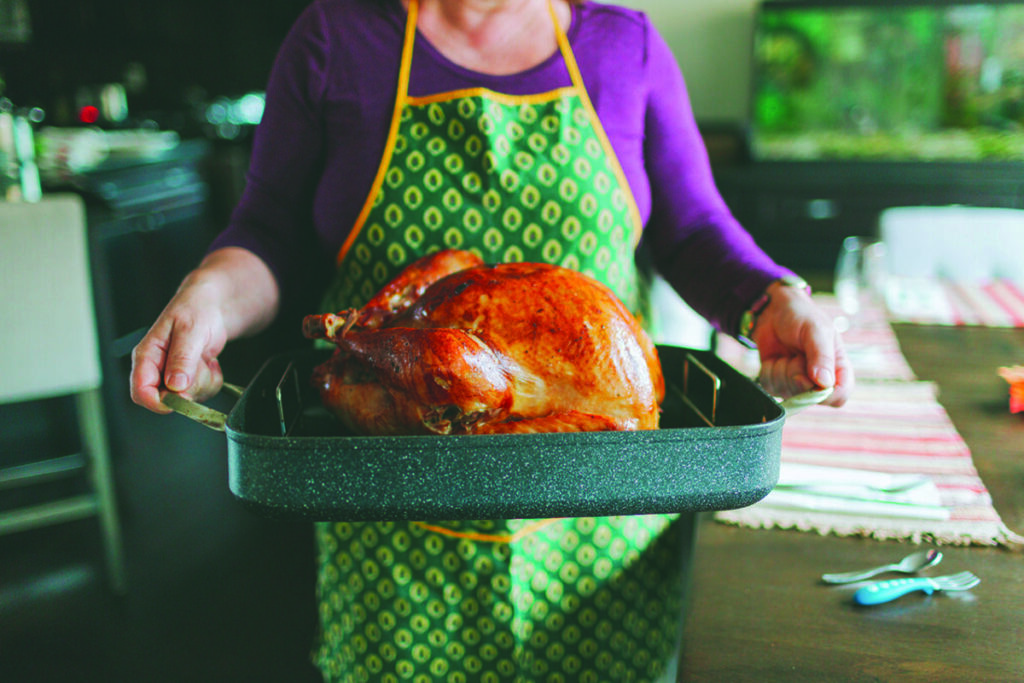
Thanksgiving is celebrated each fall and often serves as the entry point to the holiday season. Tradition plays a large role in Thanksgiving celebrations, as families incorporate many customs into their celebrations that some believe were once tied to the earliest Thanksgiving meals, such as a main entrée of roasted turkey. But the truth about those customs is a lot murkier than celebrants may realize.
According to the Smithsonian National Museum of the American Indian, the “First Thanksgiving” features a romanticized depiction of a friendly harvest celebration between “Pilgrims” and “Indians.” This altered account of what took place in the 17th century served as a foundational story that has been reinforced throughout the years. However, American Indians attest that the story is more complex than the prevailing narrative suggests. Here’s a look at some of the inaccuracies that have been revealed regarding the “First Thanksgiving.”
MYTH: The “First Thanksgiving” was the first time that settlers and Native nations interacted.
TRUTH: The Wampanoag and neighboring nations had been interacting with European explorers, traders and others for nearly 100 years prior to the English setters’ arrival at the Wampanoag village of Patuxet in 1620.
MYTH: The American Indians’ decision to assist the English settlers was based on friendship.
TRUTH: In reality, the Wampanoags’ decision to help the English was more about forming political alliances than making friends. The Wampanoag were hoping to fend off attacks from rivals.
MYTH: The “First Thanksgiving” was repeated each year.
TRUTH: This initial meeting of people did not spark an annual tradition. There is no record of Pilgrims inviting the Wampanoag people to the harvest meal. The Wampanoag men likely came because they heard gunfire from a hunt and investigated. And the feast wasn’t repeated. Historians note the relationship between the Wampanoag and Pilgrims ultimately deteriorated, culminating in King Philip’s War.
MYTH: The 1621 gathering was the first American Thanksgiving.
FACT: Thanksgivings actually were religious events that took place before the 1621 gathering. History News Network says Texans claim that the first Thanksgiving in America occurred in a community near El Paso in 1598. Spanish explorer Juan de Onate was said to have held a Thanksgiving festival after leading hundreds of settlers on a 350-mile excursion across the Mexican desert.
MYTH: Turkey was on the menu for the harvest meal shared.
FACT: The meal likely consisted of venison, wild fowl and other locally available foods, like cranberries.
MYTH: Pilgrims dressed in black with buckles and black steeple hats.
FACT: Historian James W. Baker explains that these Pilgrim depictions were formed in the 19th century when black and buckles helped create an emblem of quaintness. In fact, the early Pilgrims did not dress in such garb and wore colorful clothing throughout much of the week, reserving black for Sunday services.
Inaccuracies abound regarding the “First Thanksgiving.” Prevailing accounts present a romanticized view of relations between Pilgrims and the Wampanoag people that has persisted through the years. Shedding light on myths can spur new discussions about this beloved holiday.
To learn more, go to americanindian.si.edu

Support community journalism
The first goal of the Ocala Gazette is to deliver trustworthy local journalism so corruption, misinformation and abuse are not hidden from the public or unchallenged.