
Sheriff installs grievance drop boxes at the jail
The move comes months after Disability Rights Florida requested the measure.

Crime scene photo of the confinement cell at Marion County Jail where Scott Whitley was killed. He was held in the cell without clothing, bedding, or medication to treat his mental illness for a week before being killed by guards.
The Marion County Sheriff’s Office has indicated they have installed secure grievance drop boxes in the jail following a request from Disability Rights Florida, which raised concerns that inmates—particularly those with disabilities—were being blocked from filing medical and other complaints.
According to the new jail policy, formal grievances must now be placed into “a secured grievance box located in each housing unit,” with zone sergeants required to check the boxes each shift.
Records show the sheriff’s office purchased the boxes this summer from Amazon. A June 2025 requisition lists two “Architectural Mailboxes Aspen Locking, Vertical Wall-Mounted Mailboxes” at a total cost of $43.60.
In emails exchanged with Disability Rights Florida, jail officials confirmed the drop boxes were delivered and installed by August.
“The drop boxes were delivered and installed! Our jail captains are just working on finalizing the policy, then they’ll begin using them,” wrote Marissa Duquette, general counsel for the sheriff’s office, on Aug. 19.
While the installation of drop boxes addresses the access part of filing grievances, the “Gazette’s” review of the grievance policy shows several areas where inmate complaints could still be lost, delayed or rerouted:
- Staff gatekeeping: Inmates must request forms from deputies or sergeants, and sergeants decide whether an inmate has tried “informal resolution” before allowing a formal grievance. That creates a risk of blocking complaints at the outset.
- Multiple handoffs: A grievance passes through several levels of staff before reaching the Administrative Lieutenant, creating opportunities for paperwork to be misplaced or delayed.
- Paper-only tracking: Inmates get a “yellow copy” as proof of filing, but without digital timestamps or independent logging, there is no transparent way to verify when or if a grievance was filed.
- Returns for formatting: Grievances can be returned for issues like containing more than one complaint or not following the proper format. While the policy says grievances cannot be “denied,” a returned form effectively delays or discourages inmates from pursuing their concerns
- Short deadlines: Inmates have 30 days to file and just three business days to appeal, which may be difficult for those with disabilities or literacy barriers.
- Box collection oversight: Zone sergeants, who may themselves be named in grievances, are tasked with collecting forms from the locked boxes, leaving questions about independent oversight.
- Access: The practical access for inmates in segregation, medical confinement, or disciplinary housing at risk is not referenced in the policy, which may mean they have no meaningful grievance channel.
Disability Rights Florida notified the sheriff that it plans to review the jail’s data in six months.
“We plan to follow up with the Marion County Jail in six (6) months to review the grievance data and assess the effectiveness of the drop boxes,” wrote staff attorney Annette Scott-Smith on Aug. 25 to Duquette.
When asked why the sheriff’s office opted for paper drop boxes instead of electronic kiosks for grievance filing, Duquette wrote back, “Our agency is not required to answer your questions.”
One week under the new policy, Duquette said there was no grievance data to provide in response to a records request.
The grievance boxes come as the jail faces increased scrutiny over the unusually high number of in-custody deaths at the Marion County jail, lack of accountability under the $14 million contract for inmate care with the Heart of Florida Health Center, and a whistleblower lawsuit filed by former medical liaison Mary Coy, who alleged inmates’ complaints of inadequate care were routinely ignored.
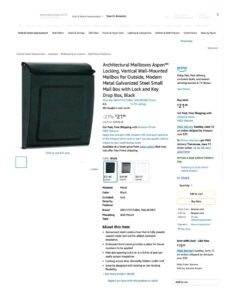
Grievance boxes purchased by MCSO and obtained through a public records request.

Support community journalism
The first goal of the Ocala Gazette is to deliver trustworthy local journalism so corruption, misinformation and abuse are not hidden from the public or unchallenged.